Touring Innovative Farm Models Helps Shape Bethlehem’s Vision
Exploring new approaches to land stewardship and shared agricultural infrastructure means learning from farms that are already doing it well.
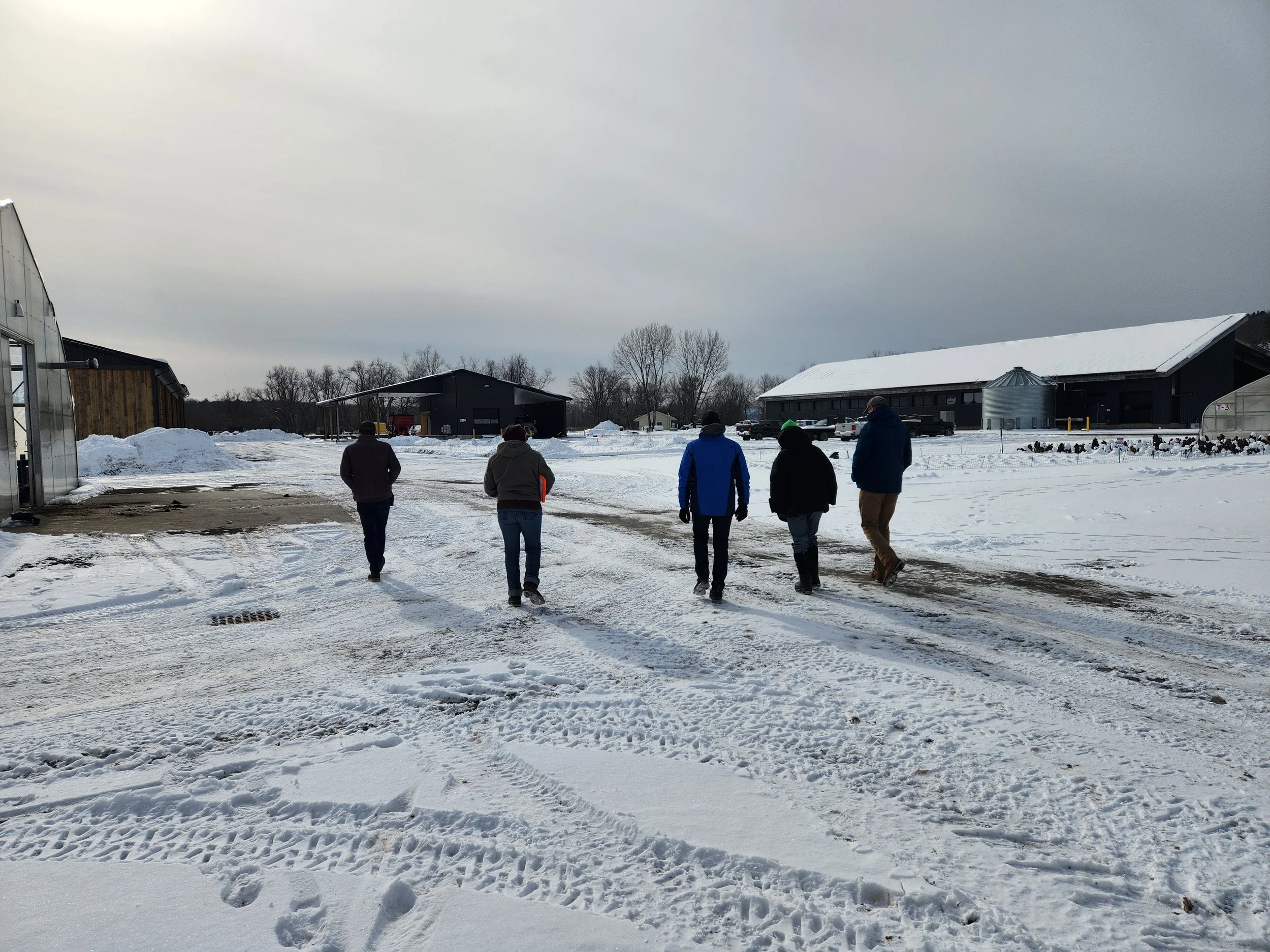
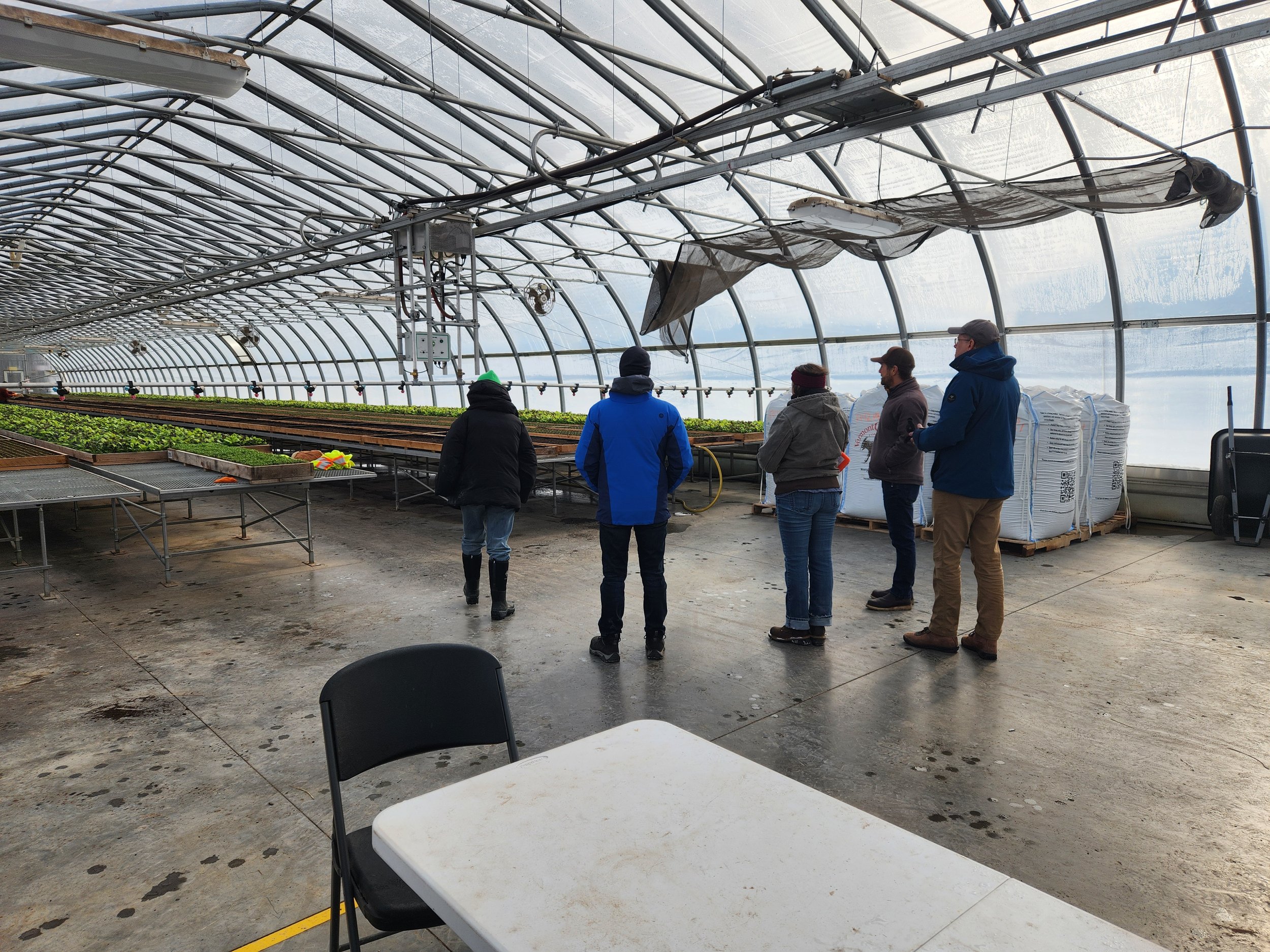
Guided by the Vision Plan and a commitment to thoughtful collaboration, Be ECO and Town staff visited several innovative farm sites in the region. Each offered lessons for consideration and provided a range of perspectives on how shared infrastructure and community-centered agriculture can work in practice:
Chester Agricultural Center in Chester, New York
Chester Agricultural Center provides long-term farmland leases structured to support early-stage and underserved farmers. By offering stable access to land and resources, this model helps strengthen equity in the local food system and gives new farmers a real chance to grow. The focus on long-term commitment to growers was a key takeaway as we think about how shared land access could work here in Bethlehem.Hudson Valley Farm Hub in Hurley, New York
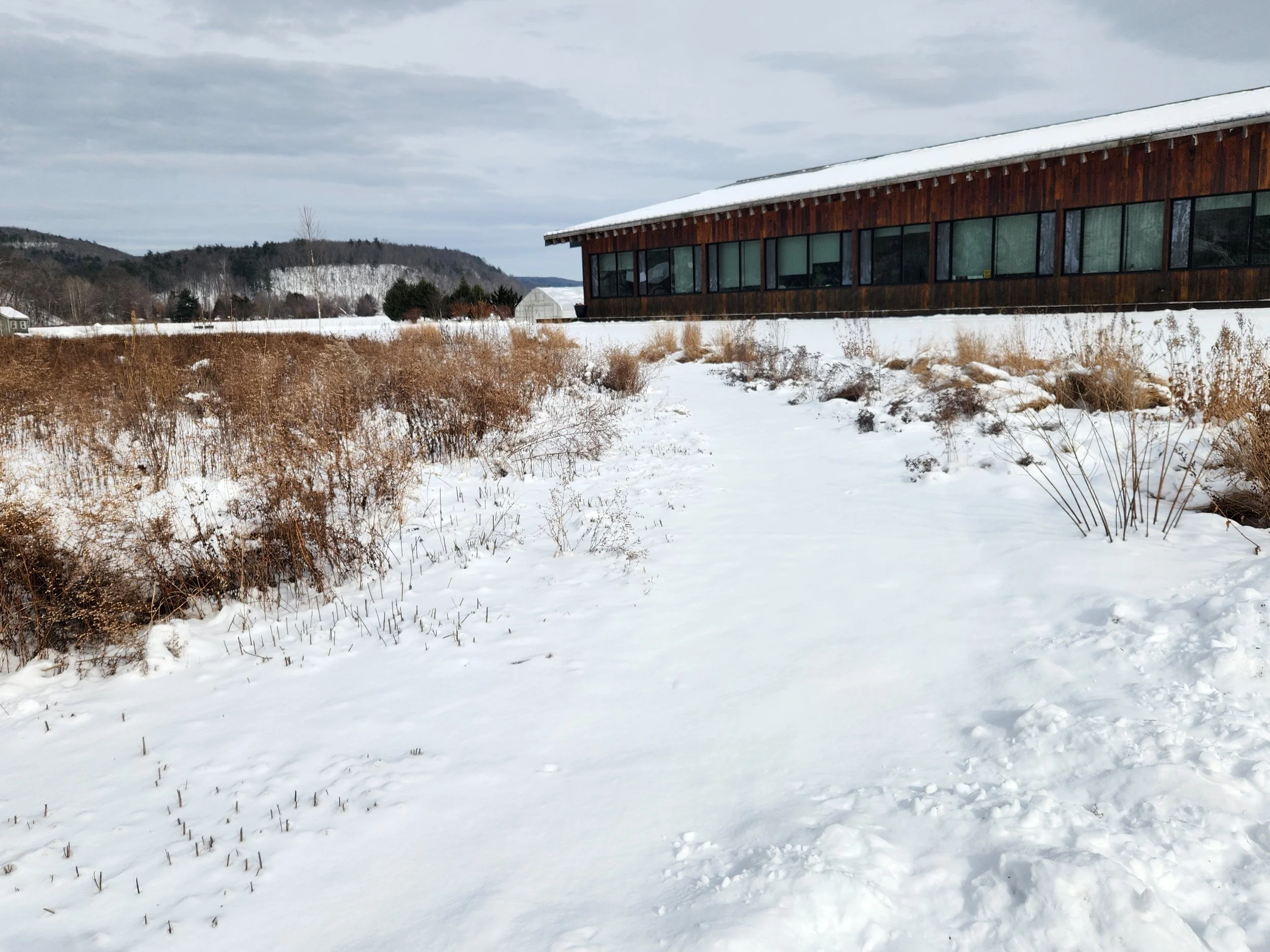
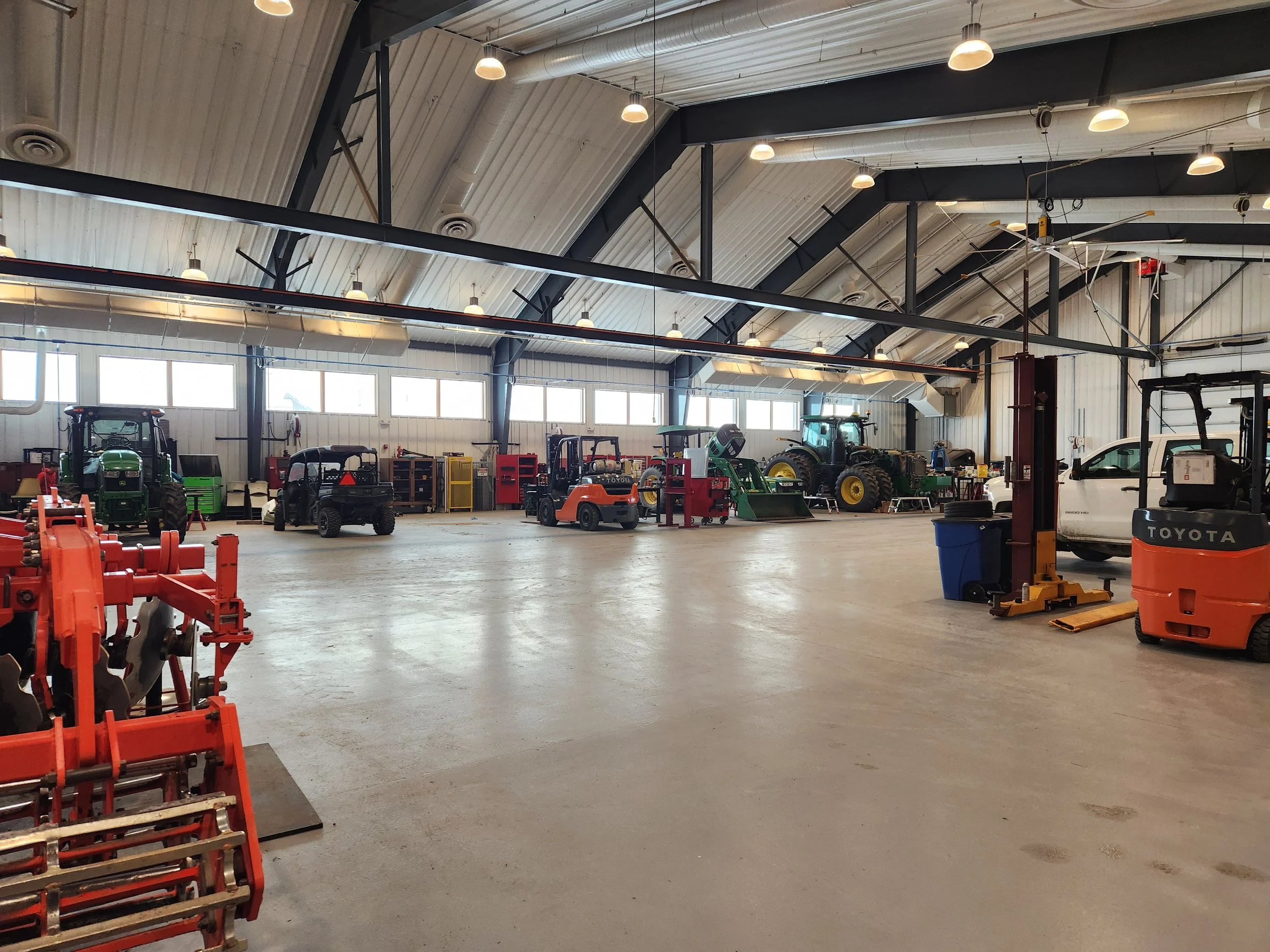
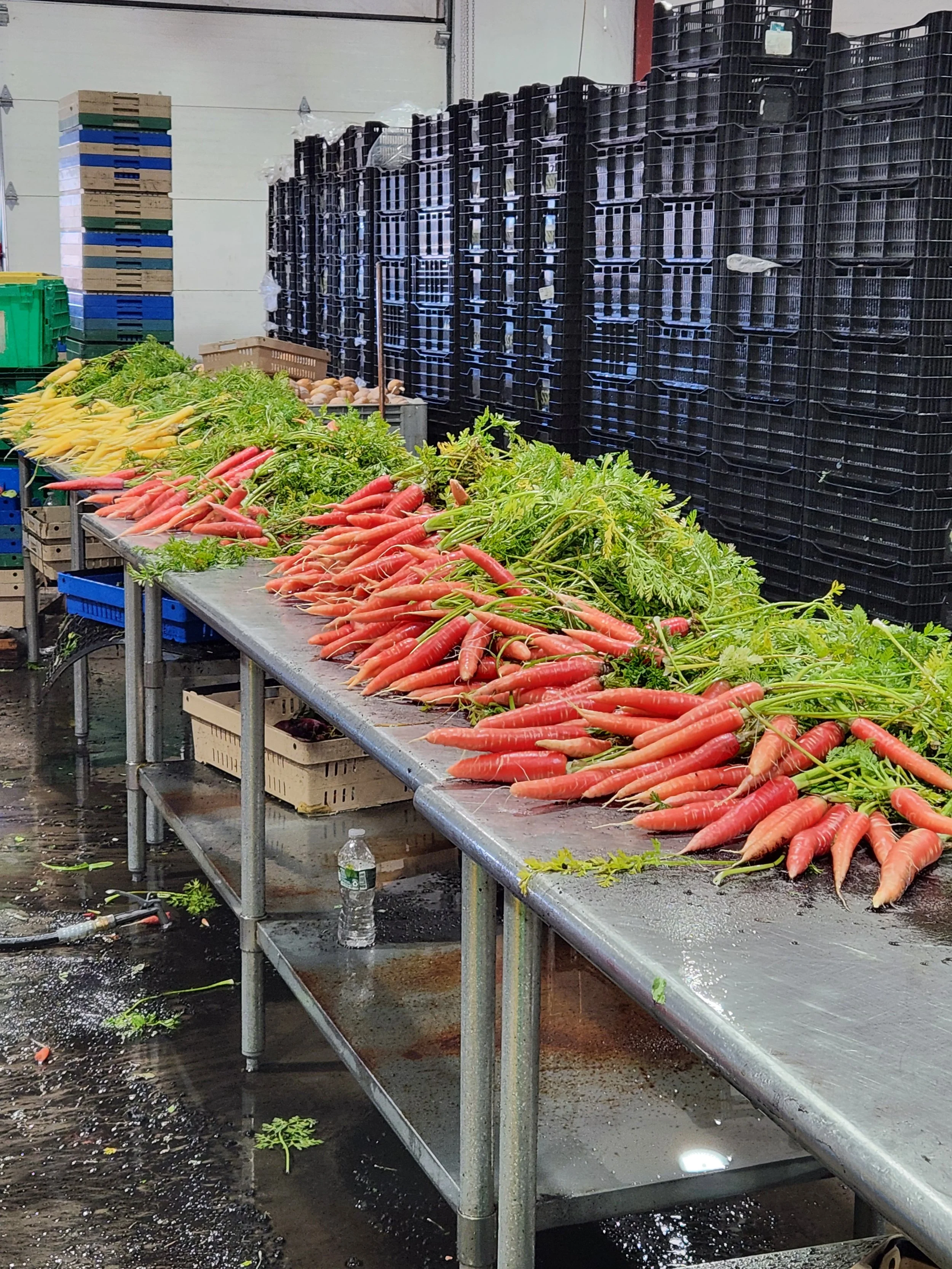
At Hudson Valley Farm Hub, we saw a comprehensive, regional approach to supporting agriculture. With more than 1,600 acres, this hub partners with farmers to provide training, shared equipment, business support, and collaborative programming. The scale and depth of onsite services demonstrate how shared infrastructure and cooperative systems can make local farming more resilient and sustainable over the long term.Edible Uprising Farm in Troy, New York
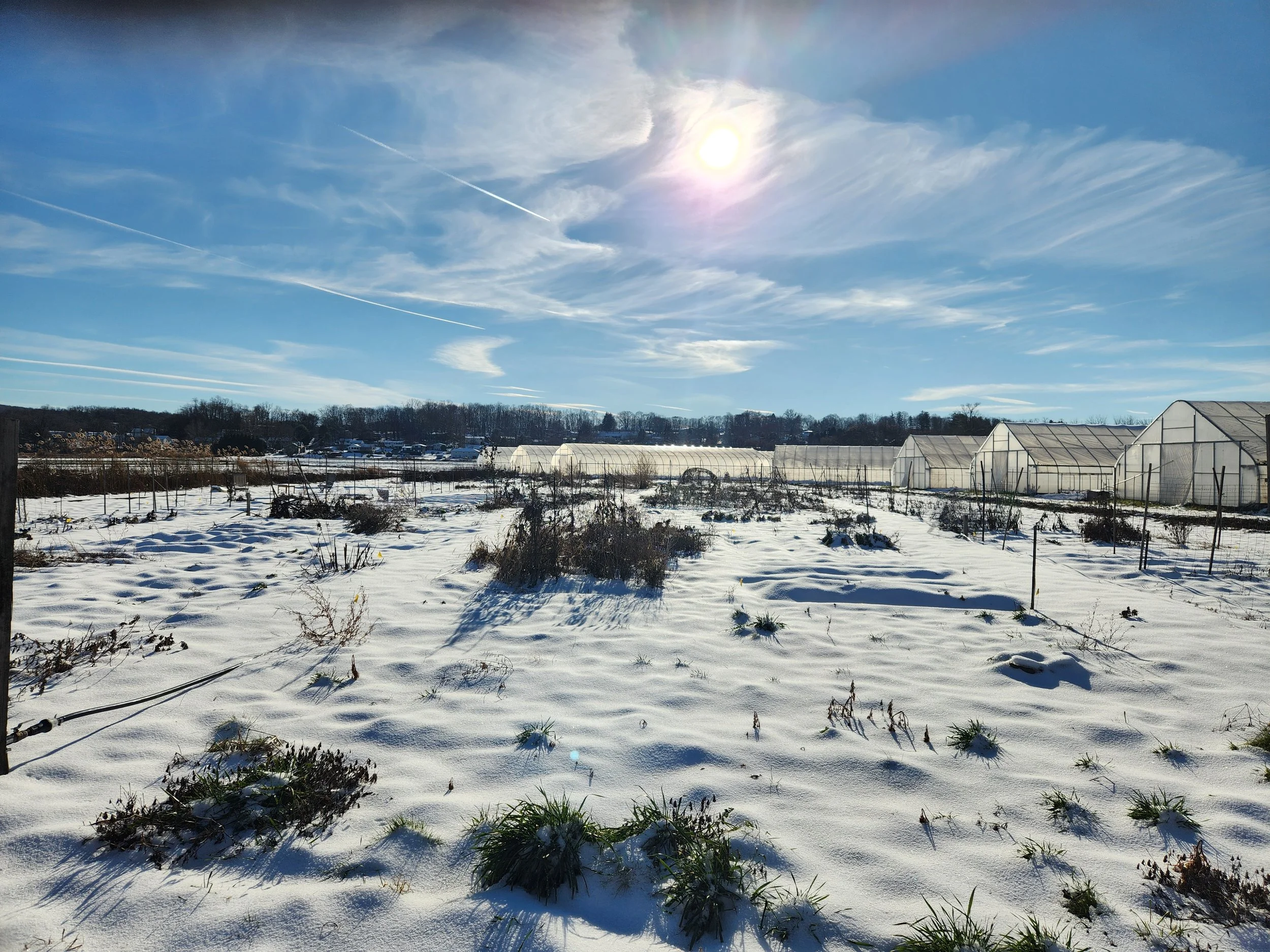
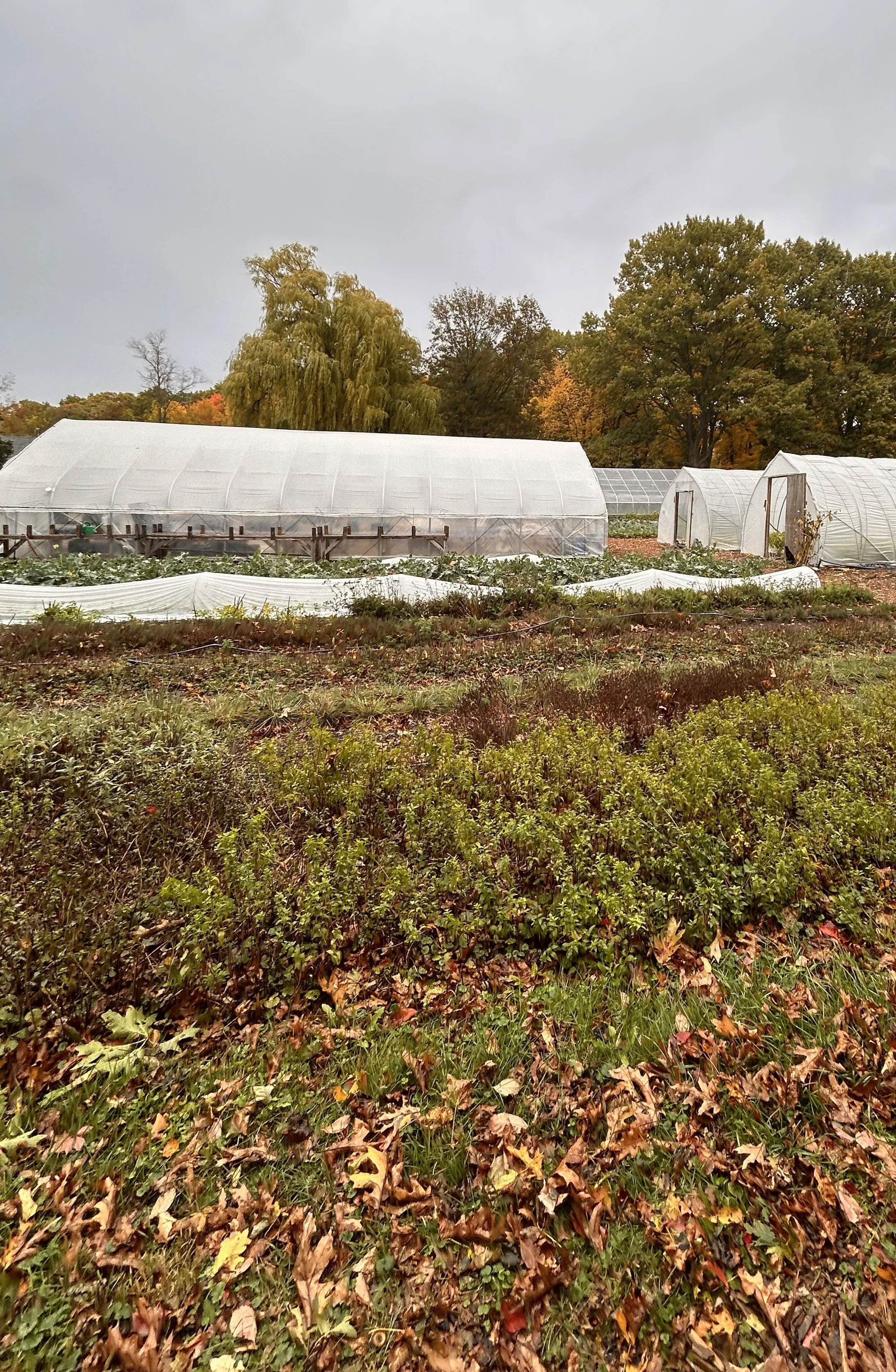
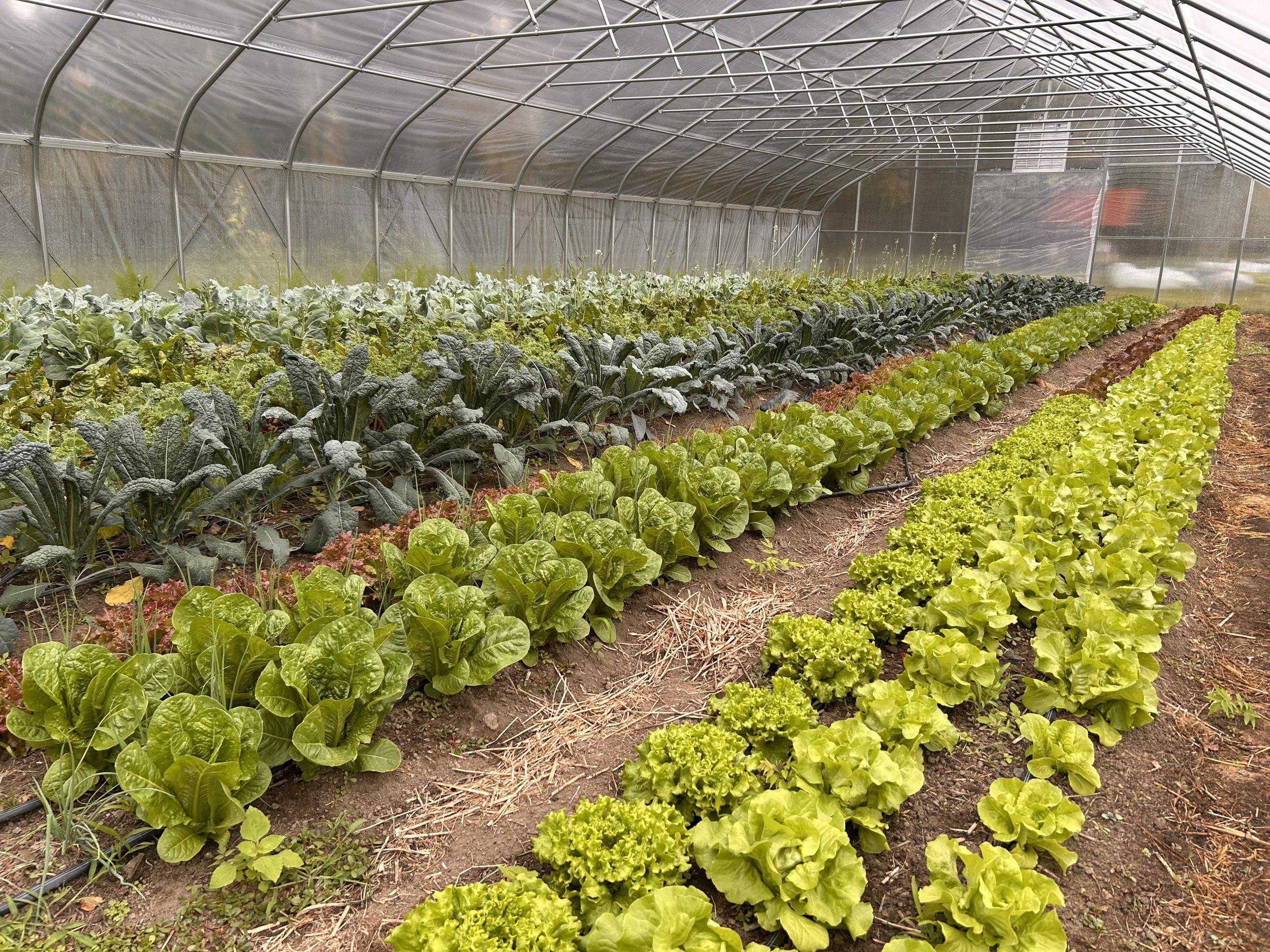
Edible Uprising Farm operates just up the Hudson River in Troy, NY. They have been in operation for several years thoughtfully farming a prolific small-acreage, hand tended vegetable and flower farm. Using low- or no-till methods and organic practices prioritizes long-term soil health while maintaining productive growing conditions. The farm’s harvest supports a CSA and keeps food local and fresh.Pitney Meadows Community Farm in Saratoga Springs, New York
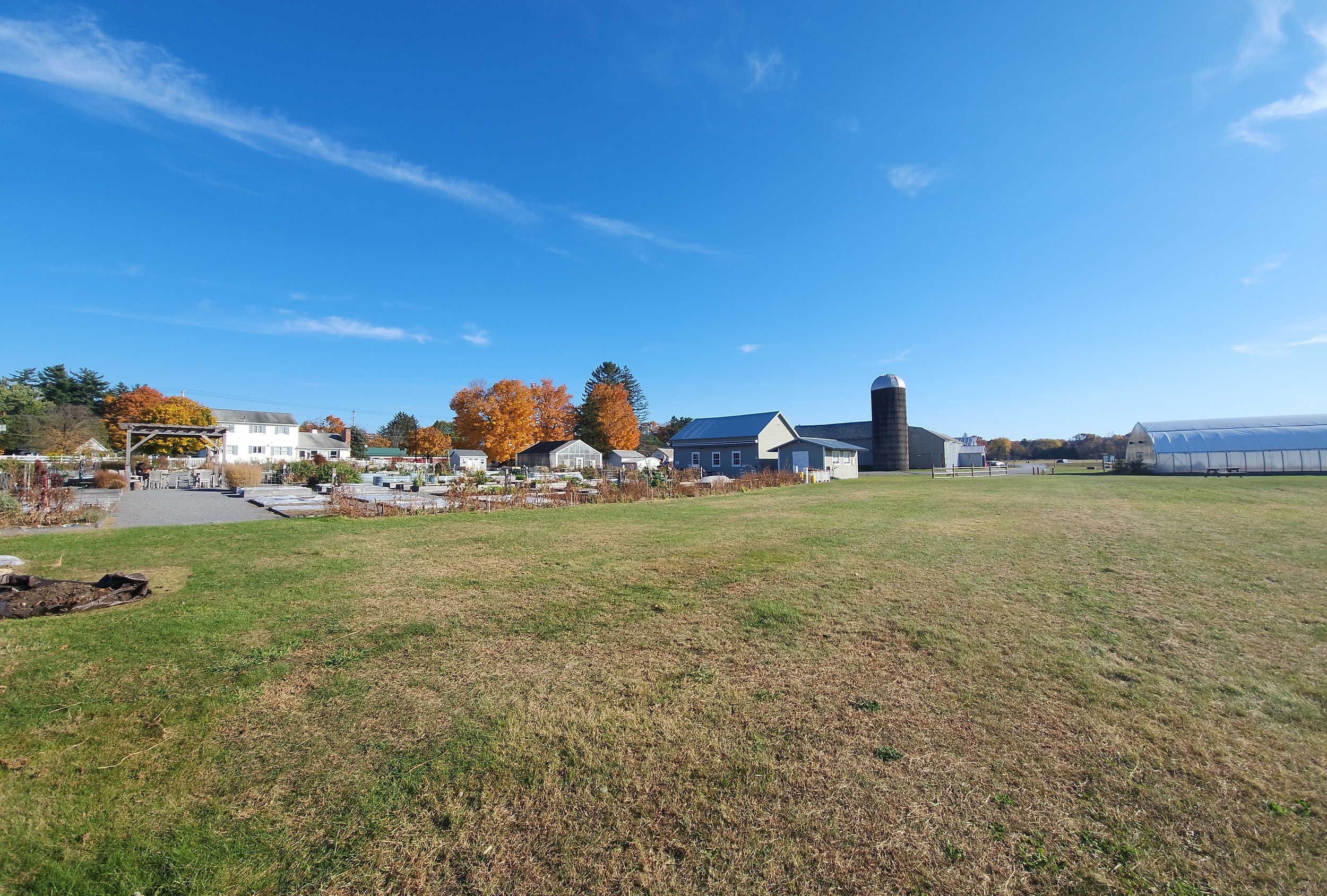
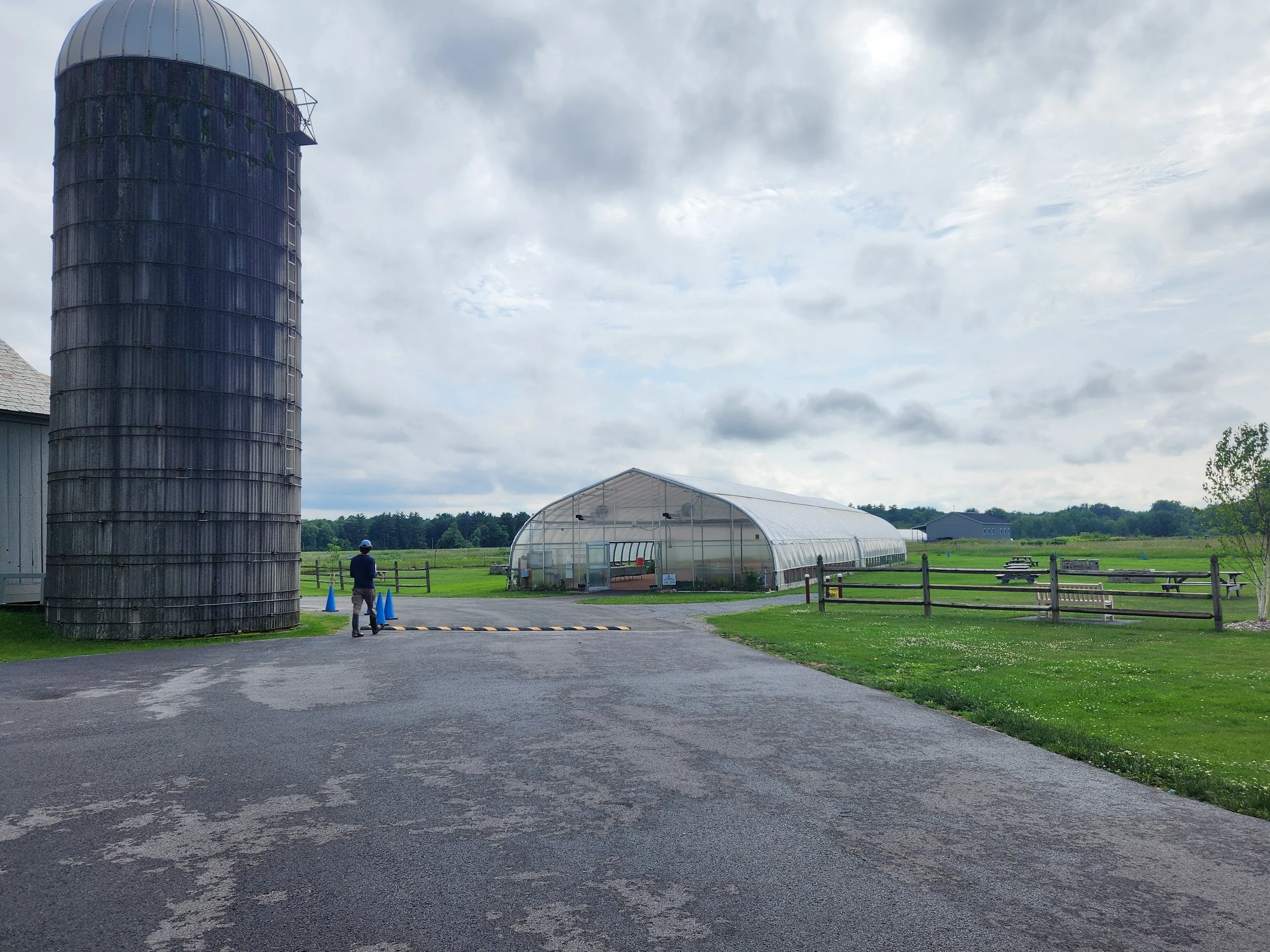
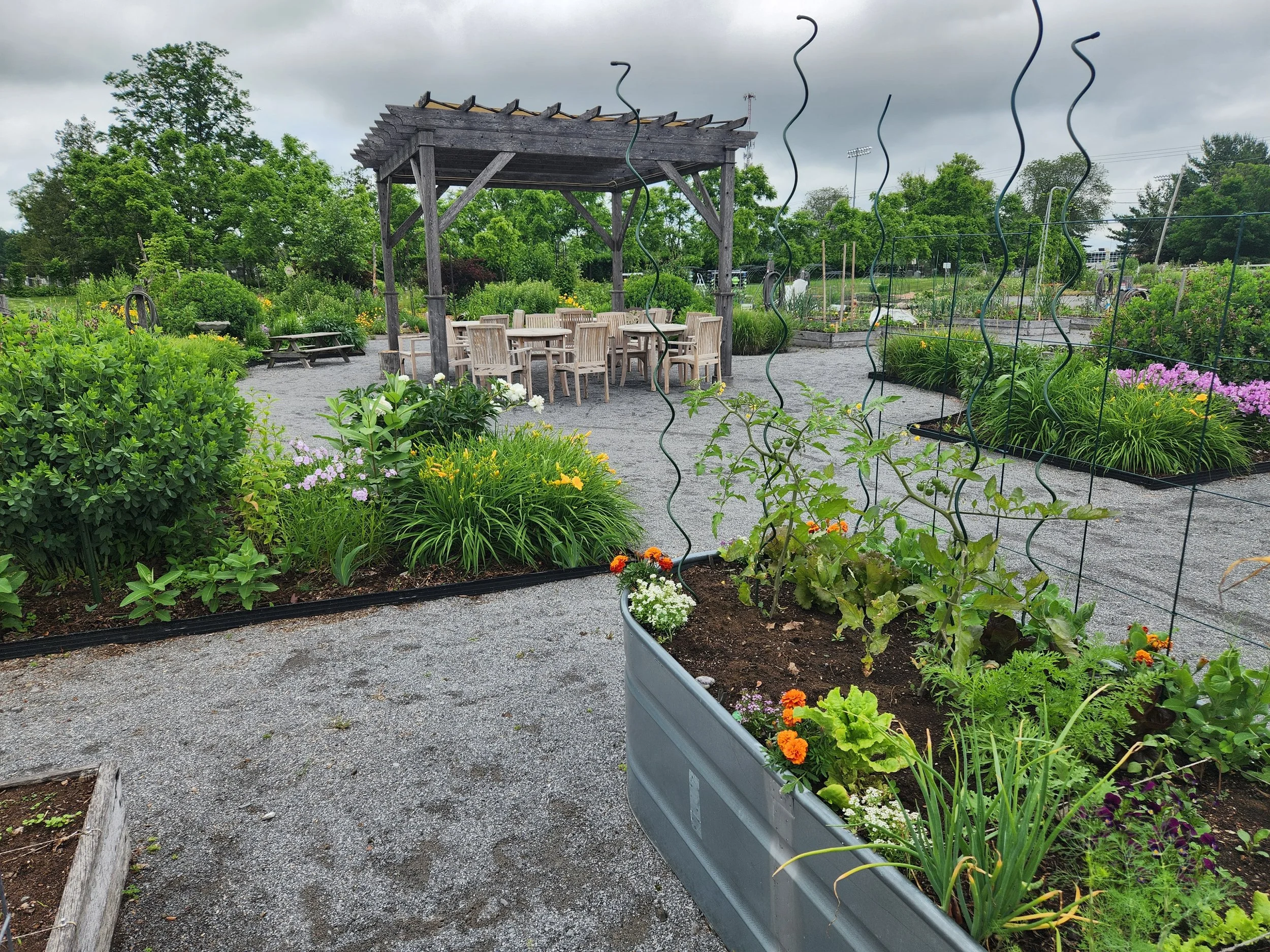
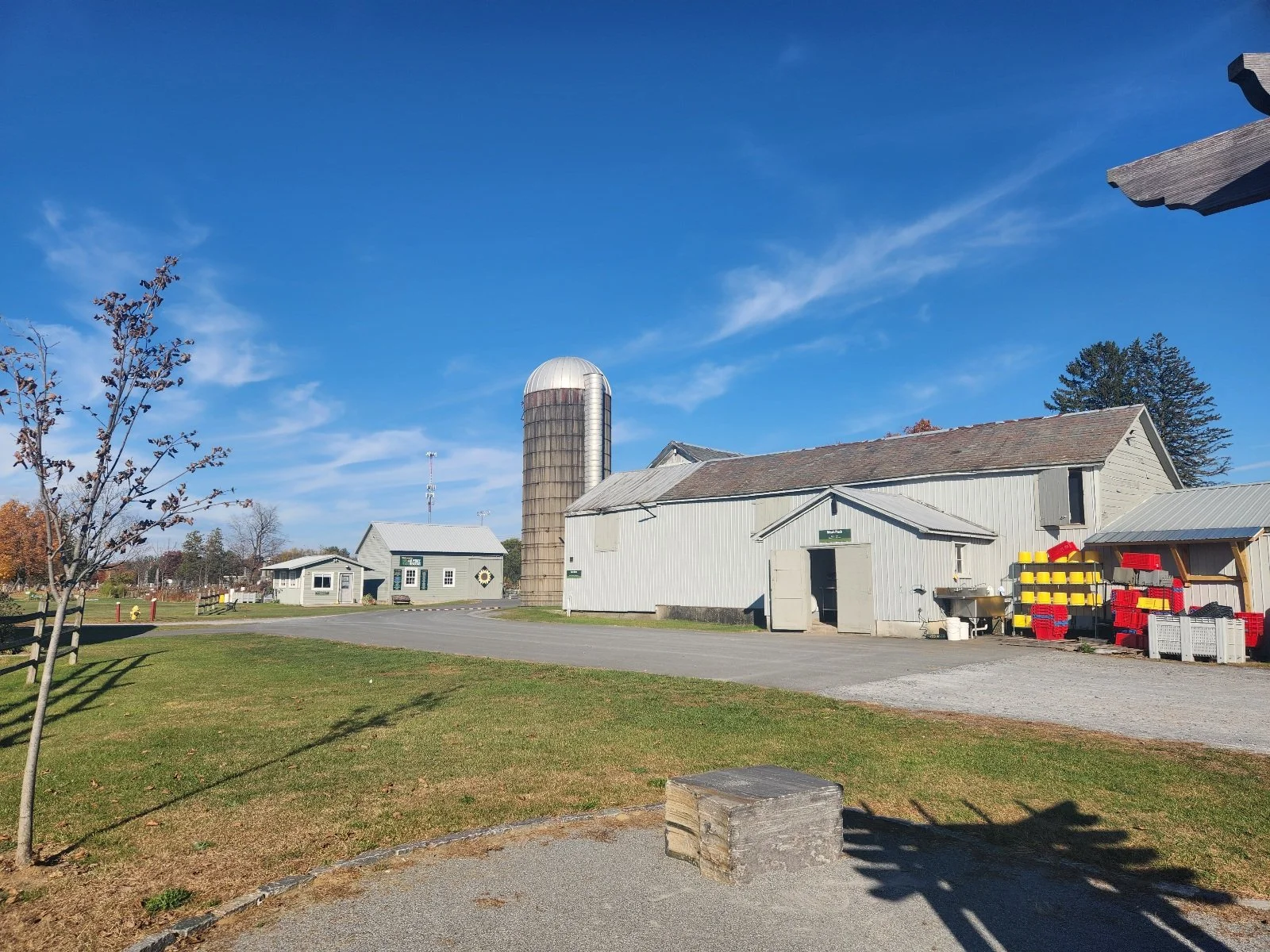
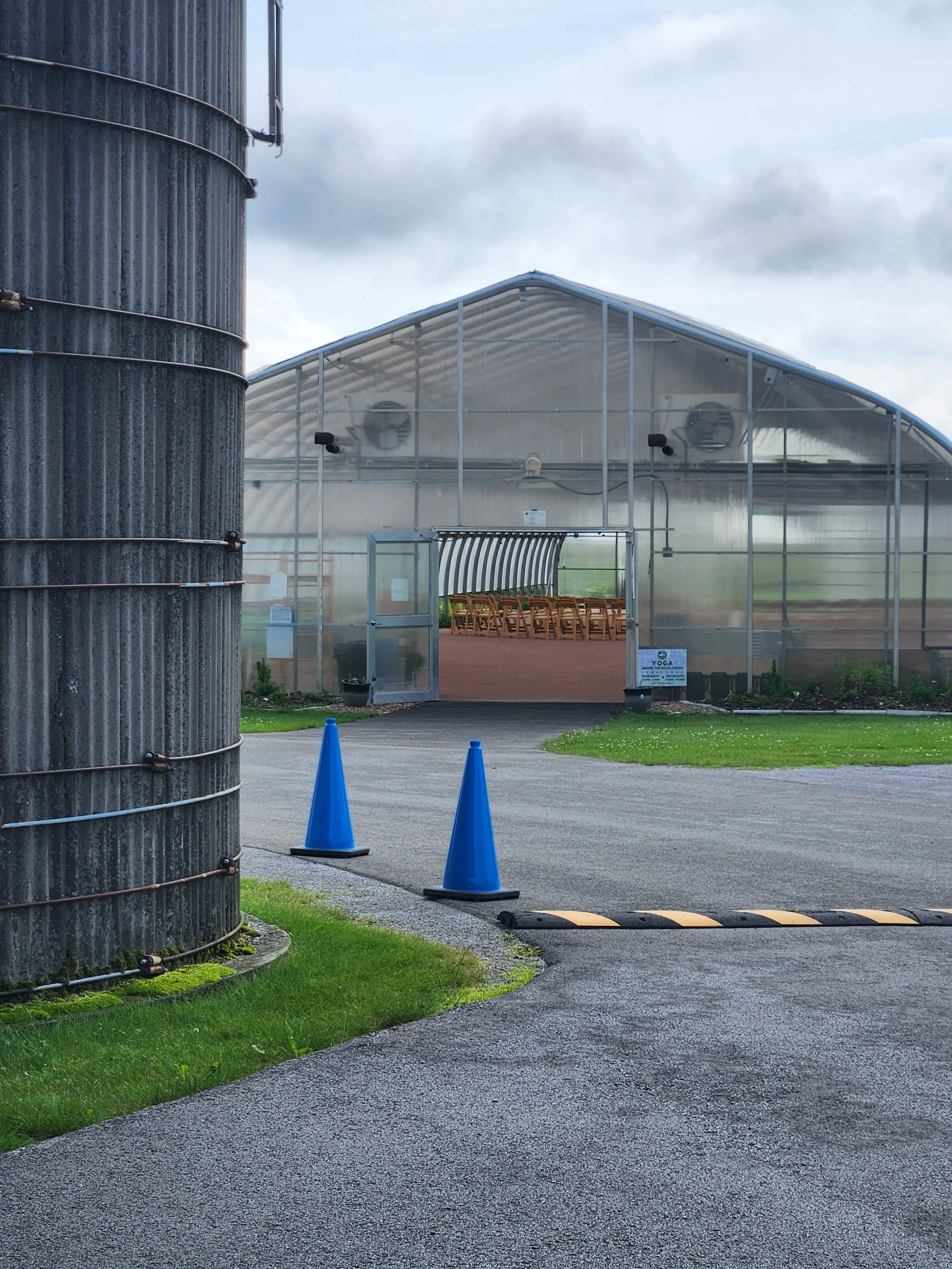
Pitney Meadows Community Farm shows how agriculture, education, and community life can exist together on preserved land. Farming is paired with gardens, volunteer opportunities, educational programs, farm stands, and food access initiatives. The site reinforced the value of designing agricultural spaces that are welcoming, flexible, and deeply connected to the community.
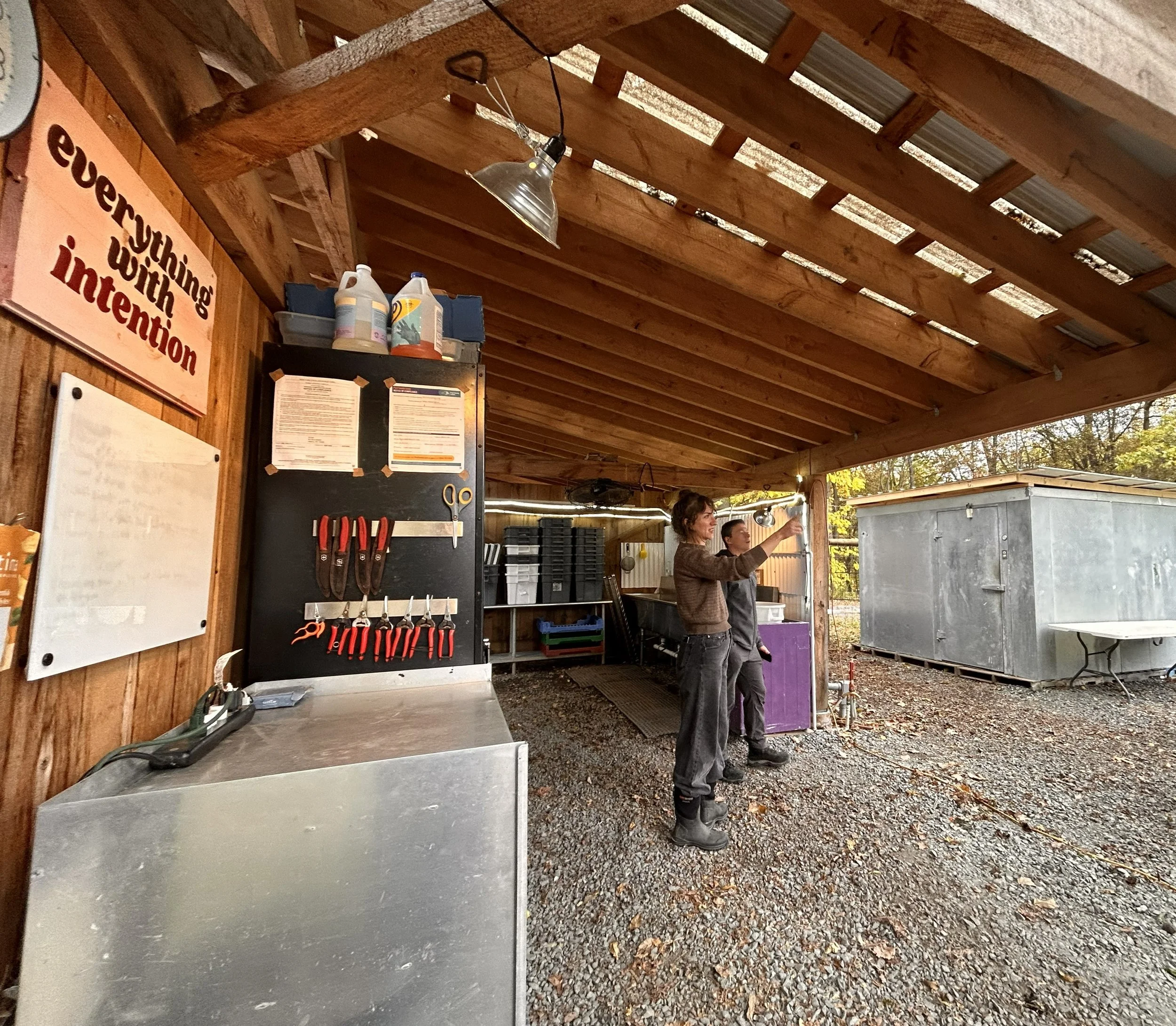
Visiting these farms and speaking directly with the people running them gave our team a clear understanding of how shared farm infrastructure works in practice. We saw what it takes to support collaborative operations, identified spatial and operational needs, and learned how infrastructure can help farmers thrive. These experiences revealed both challenges and opportunities.
Turning Inspiration Into Local Planning
Learning from existing models and grounding our work in real-world experience has made our planning more realistic. With the Vision Plan as a guiding framework and the insights gained through farm visits, we will continue to shape Bethlehem’s approach to creating agricultural spaces that meet local needs, support farmers in growing food and strengthen the connection between agriculture and community life.